MONUMENTAL
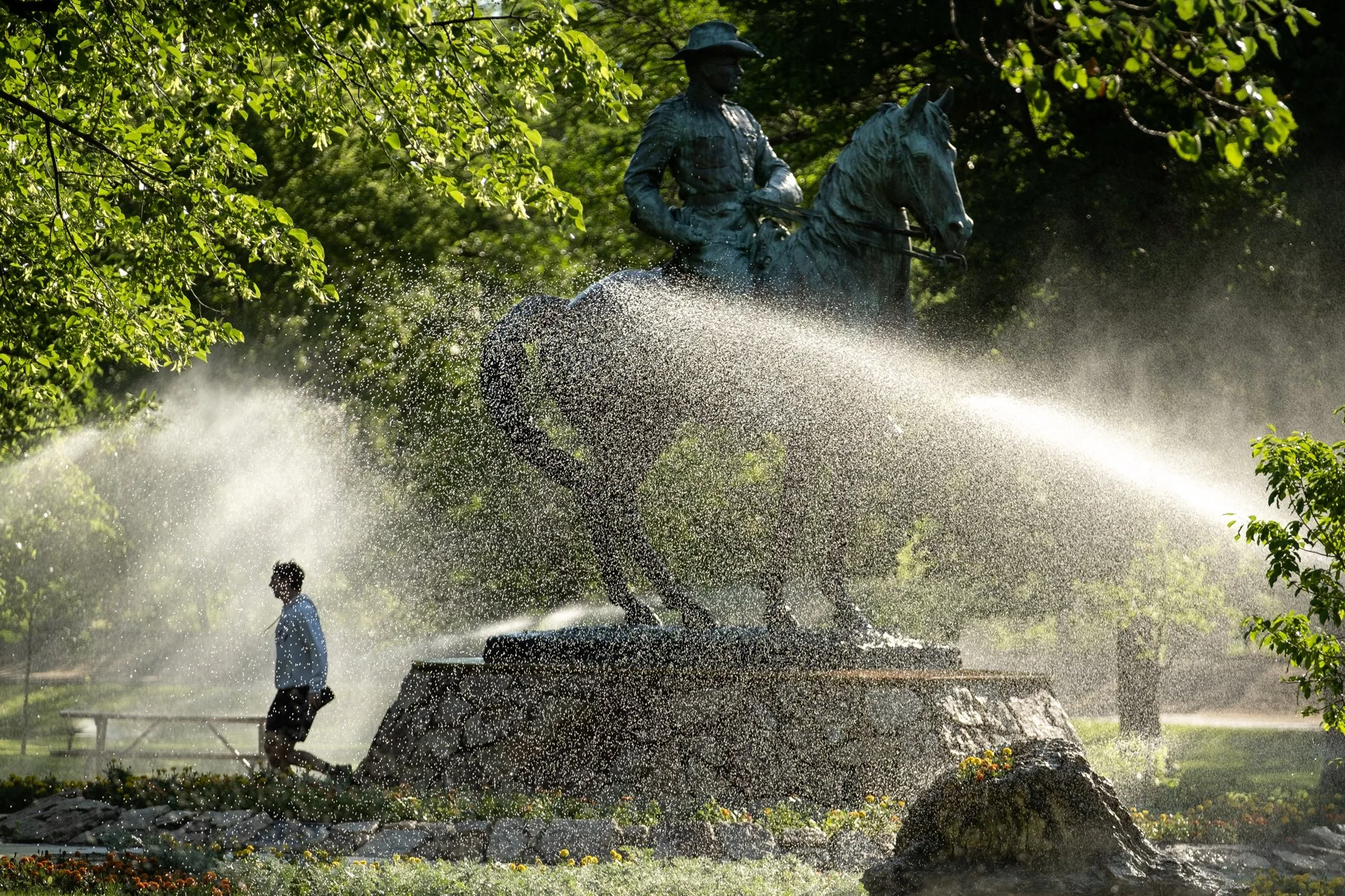
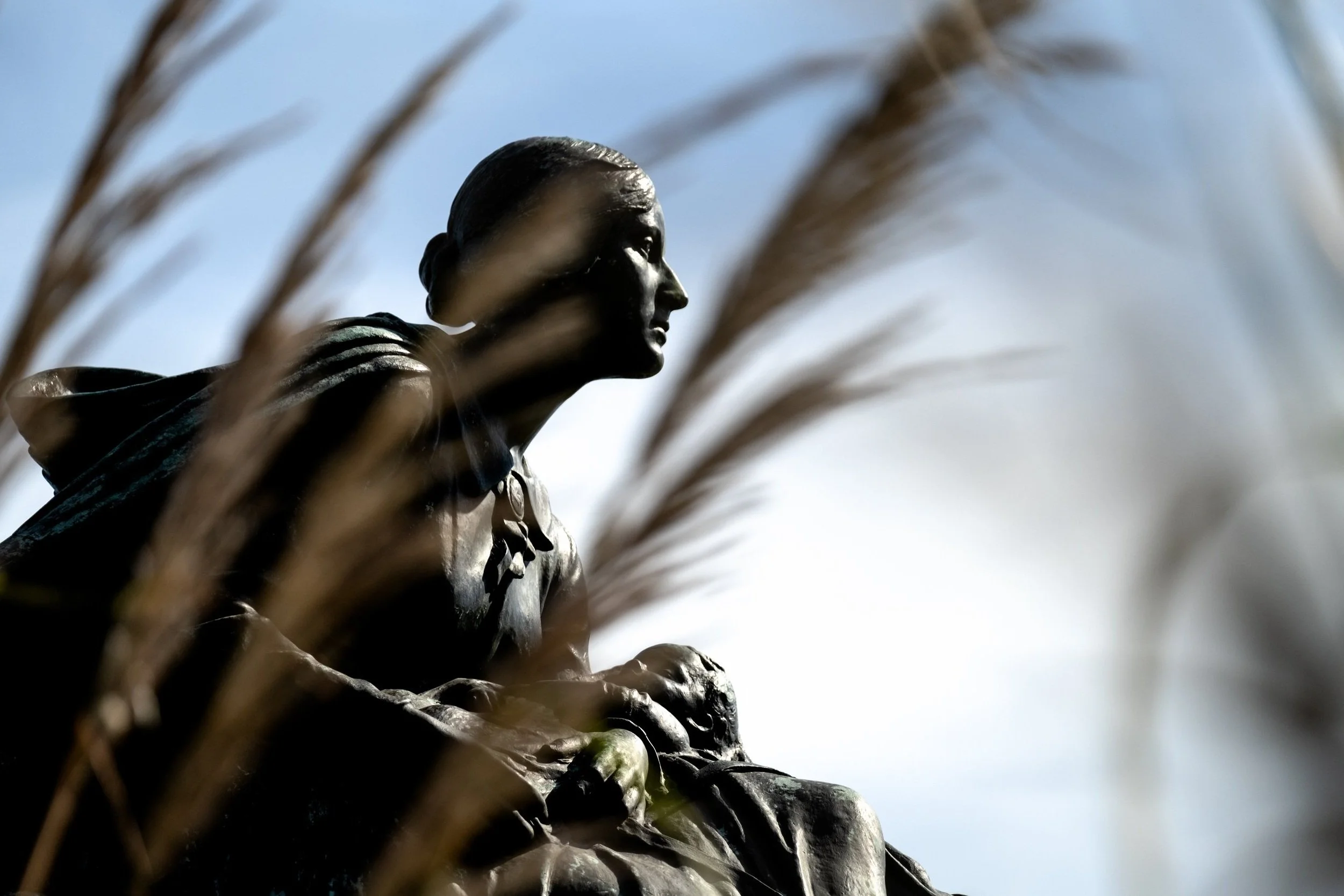
After protesters upend monuments, an American city reckons with its symbols of westward expansion. Set in Portland, Ore., the unfolding fate of the sculptures tells the story of a nation divided over who belongs on pedestals, if anyone.
During the summer and fall of 2020 across the American West, hundreds of monuments fell. Some were toppled; in other places, cities preemptively removed artwork to avoid controversy and damage. The movement, spurred in part by the sorrow and outrage following the murder of George Floyd, paralleled the removal of Confederate monuments in the South. In the West, though, protesters focused on symbols of conquest and westward expansion.
Now, communities must confront empty pedestals—and the bronze men on horseback and bonneted pioneer mothers still looming over public spaces of the West. They face difficult choices about the legacy of monuments for present-day Americans, even as people debate in state capitols, city halls and local school boards what to teach as our common history. More broadly, the project examines how Americans choose to remember the past, who determines the narratives of public memory, and why it matters in a democracy.
The film’s director, journalist Erika Bolstad, is the author of Windfall: The Prairie Woman Who Lost Her Way and the Great-Granddaughter Who Found Her, which was a finalist for the 2024 Oregon Book Award. Her companion short documentary, To Be Rich, was supported by a 2022 Environmental Arts Grant from the Anonymous Was a Woman Foundation. To Be Rich was an official selection of the San Francisco Green Film Festival, the Wild & Scenic Film Festival, and the McMinnville Shorts Festival.
Contact: erika@erikabolstad.com